
CURRICULUM FOR READERS, THINKERS, AND DREAMERS
TOMONOSHi!
PUBLISHING
EDUCATION
DEPARTMENT
IMAGINATION NOT INCLUDED
The TOMONOSHi! PUBLISHING EDUCATION DEPARTMENT offers tools for classrooms, families, and communities. Each lesson blends literacy with creative exploration and emotional development. Designed for K–8 students, after‑school programs, and home learning, these lesson plans center empathy, imagination, and discovery.
Together, they cultivate curiosity, critical thinking, and self‑expression—skills that build confidence and self‑esteem in every learner.
The TOMONOSHi! PUBLISHING EDUCATION DEPARTMENT develops lesson plans and curriculum materials inspired by TOMONOSHi! books and the themes within our stories, designed to deepen engagement and support meaningful learning. These materials stand on their own—you can enjoy every lesson without purchasing or reading our books.
Imagination not included.
LESSON
PLANS
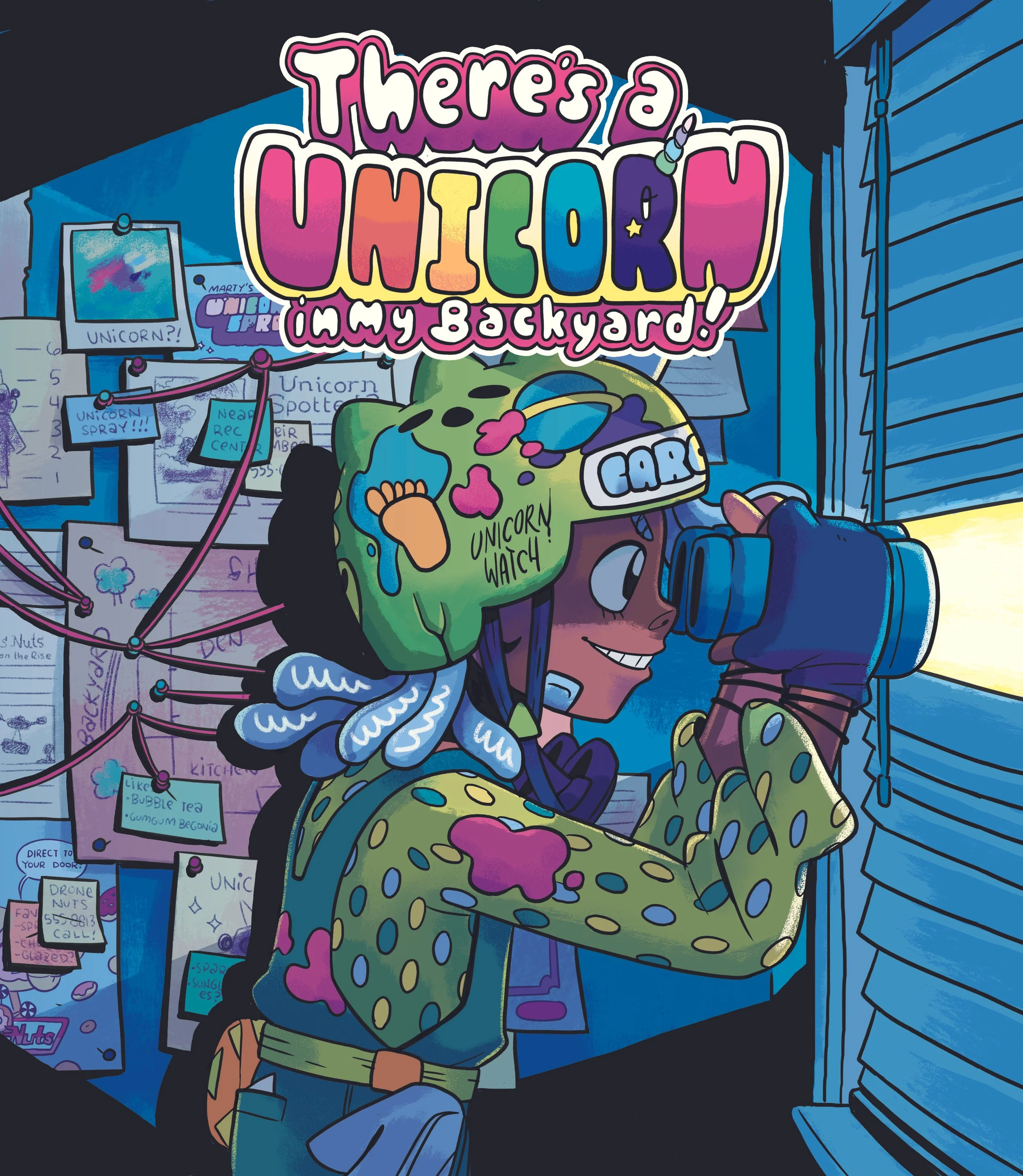
THERE’S
A UNICORN
IN MY BACKYARD!
GRADE LEVELS: 3–8
SUBJECT AREAS: STEAM, Design Thinking, Engineering, Creative Problem‑Solving
CORE TEXT: There’s a Unicorn in My Backyard (text not required to use lessons)
OVERVIEW: The Unicorn in My Backyard curriculum introduces students to design thinking and engineering through imaginative, inquiry‑based challenges rooted in the themes of the book. Across three progressively rigorous lessons, students move from foundational creativity to advanced engineering systems, applying research, iteration, and ethical reasoning. The curriculum is designed for classrooms, after‑school programs, and home learning environments, and all lessons stand independently of the book.
LESSON PLANS
-
Students will:
Understand and apply the design thinking process (Empathize, Define, Ideate, Prototype, Test).
Strengthen creativity, collaboration, and critical thinking.
Develop engineering habits of mind, including iteration, systems thinking, and data‑driven refinement.
Produce sketches, plans, digital models, and physical prototypes.
Engage in ethical reasoning related to design, capture systems, and humane engineering.
Communicate design decisions clearly through presentations, diagrams, and written reflections.
-
Grade Level: Elementary (Grades 3–5)
Subject: STEAM (Science, Technology, Engineering, Arts, Mathematics)
Duration: 2–3 class periodsLearning Objective
Students will learn the principles of design thinking by sketching, planning, and building their own unicorn traps. Through this process, they will strengthen creativity, critical thinking, collaboration, and problem‑solving skills.
Materials
Sketchbooks or drawing paper
Pencils, erasers, colored pencils, markers
Craft materials (cardboard, paper, glue, scissors, tape, string, etc.)
Recyclable materials (bottles, boxes, tubes, etc.)
Rulers and measuring tools
Optional: small toys or figurines to represent unicorns
Lesson Outline
Day 1: Introduction to Design Thinking
Introduction (15 minutes)
Discuss the concept of design thinking and its importance. Introduce the five steps: Empathize, Define, Ideate, Prototype, Test.Empathize and Define (30 minutes)
Read a passage from There’s a Unicorn in My Backyard to establish context. Discuss the design challenge: How can we create a trap to catch a unicorn? Encourage students to consider the unicorn’s behavior, environment, and needs.Ideate (45 minutes)
Students brainstorm trap ideas in small groups. Encourage imaginative, unconventional thinking. Students sketch initial concepts in their sketchbooks.Day 2: Prototyping and Building
Prototype (60 minutes)
Students refine their sketches and create detailed design plans. Discuss materials, structure, and feasibility.Build Models (60 minutes)
Students construct their unicorn trap models using craft and recycled materials. Encourage collaboration, iteration, and problem‑solving throughout the building process.Day 3: Testing and Presentation
Test and Evaluate (45 minutes)
Students test their traps using small unicorn figurines. Discuss what worked, what did not, and why.Presentation (45 minutes)
Students present their traps to the class, explaining their design process, choices, and revisions. Encourage peer feedback and constructive critique.Assessment
Participation and engagement
Creativity and originality
Problem‑solving and iteration
Quality of sketches, plans, and models
Clarity and confidence during presentations
Extension Activities
Students write a reflection on what they learned about design thinking.
Students redesign their traps based on peer feedback and test them again.
Students create digital models of their traps using simple design software.
-
Grade Level: Grades 6–8
Subject Area: STEAM (Science, Technology, Engineering, Arts, Mathematics)
Duration: 3–4 class periodsLearning Objective
Students will apply advanced principles of design thinking to create functional unicorn trap prototypes. They will conduct research, develop detailed plans, and build working models, strengthening creativity, critical thinking, technical skills, and problem‑solving.
Materials
Sketchbooks or drawing paper
Pencils, erasers, colored pencils, markers
Craft materials (cardboard, paper, glue, scissors, tape, string, etc.)
Recyclable materials (bottles, boxes, tubes, etc.)
Rulers and measuring tools
Optional: small toys or figurines to represent unicorns
Computers or tablets for research and digital design
Design software (e.g., Tinkercad, SketchUp)
Lesson Outline
Day 1: Introduction to Advanced Design Thinking
Introduction (20 minutes)
Discuss the role of design thinking in solving complex problems. Review the five steps: Empathize, Define, Ideate, Prototype, Test.Empathize and Define (40 minutes)
Read a passage from There’s a Unicorn in My Backyard to establish context. Discuss the design challenge: How can we design a trap to catch a unicorn? Encourage students to consider unicorn behavior, environment, and potential constraints.Research and Ideate (60 minutes)
Students conduct research on unicorn mythology, trap mechanisms, and relevant STEAM concepts. In small groups, students brainstorm trap ideas and sketch initial concepts. Encourage imaginative, unconventional thinking supported by research.Day 2: Detailed Planning and Digital Design
Detailed Planning (60 minutes)
Students refine sketches and create detailed design plans. Discuss materials, structure, functionality, aesthetics, and sustainability. Students document their design rationale.Digital Design (60 minutes)
Students use design software to create digital models of their traps. Provide instruction on basic software tools and guide students through the modeling process.Day 3: Prototyping and Testing
Prototype (60 minutes)
Students build functional prototypes using craft and recycled materials. Encourage collaboration, iteration, and problem‑solving throughout construction.Testing and Evaluation (60 minutes)
Students test their traps using unicorn figurines. Facilitate discussion on performance, strengths, weaknesses, and opportunities for improvement.Day 4: Presentation and Reflection
Presentation (60 minutes)
Students present their traps to the class, explaining their research, design process, digital modeling, and prototype performance. Encourage peer feedback and constructive critique.Reflection (30 minutes)
Students write a reflection on what they learned about advanced design thinking, the challenges they encountered, and how they might apply design thinking in other contexts.Assessment
Participation and engagement
Depth and relevance of research
Creativity and originality
Quality of sketches, plans, and digital models
Functionality and craftsmanship of prototypes
Clarity and depth during presentations
Quality of written reflections
Extension Activities
Students redesign their traps based on feedback and retest them.
Students refine their digital models using more advanced features or software.
Students explore real‑world applications of design thinking in engineering, architecture, product design, or environmental problem‑solving.
-
Grade Level: Grades 6–8
Subject Area: STEAM (Engineering, Technology, Science, Mathematics, Design)
Duration: 4–5 class periodsLearning Objective
Students will engage in advanced engineering design by developing a humane unicorn capture system. They will analyze constraints, conduct research, draft engineering schematics, build multi‑component prototypes, and test their systems under controlled conditions. Students will strengthen systems thinking, technical communication, iterative problem‑solving, and ethical design.
Materials
Engineering notebooks or graph paper
Pencils, rulers, compasses, protractors
Cardboard, wood sticks, dowels, string, tape, glue
Recyclable materials (bottles, tubes, boxes)
Measuring tools (tape measures, scales, spring scales)
Computers or tablets for research
Design software (Tinkercad, SketchUp, or similar)
Optional: small figurines to represent unicorns
Optional: sensors, simple circuits, or microcontrollers (if available)
Lesson Outline
Day 1: Understanding the Challenge and Defining Constraints
Introduction to Humane Capture Systems (20 minutes)
Discuss real‑world examples of humane traps used in wildlife conservation. Introduce the idea of designing a system that captures without harming.Context and Problem Definition (40 minutes)
Read a passage from There’s a Unicorn in My Backyard.
Define the challenge: Design a humane system capable of capturing a unicorn for observation and release.
Identify constraints such as:No harm to the unicorn
Must be stable and structurally sound
Must include at least two interacting mechanisms
Must be resettable or reusable
Research and Concept Exploration (40 minutes)
Students research:Unicorn mythology and behavior
Simple machines
Trigger mechanisms
Humane wildlife traps
Students record findings in engineering notebooks.
Day 2: Systems Design and Engineering Schematics
Systems Mapping (45 minutes)
Students outline the components their system will require (bait system, trigger, enclosure, release mechanism).
They create a labeled systems diagram showing how each component interacts.Engineering Schematics (45 minutes)
Students draft scaled engineering drawings of their design.
Schematics must include:Measurements
Materials list
Mechanism diagrams
Notes on force, motion, and stability
Digital Modeling (30 minutes)
Students begin creating digital models of their systems using design software.Day 3: Prototype Construction
Build Phase (90 minutes)
Students construct prototypes using craft and recycled materials.
They must demonstrate:Structural integrity
A functioning trigger mechanism
A humane capture method
A resettable design
Teacher circulates to support troubleshooting and iteration.
Day 4: Testing, Data Collection, and Iteration
Testing Protocol (45 minutes)
Students test their systems using figurines or weighted objects.
They collect data on:Trigger reliability
Structural stability
Capture success rate
Reset time
Iteration and Redesign (45 minutes)
Students revise their prototypes based on test data.
They document changes and justify design decisions.Day 5: Presentation and Ethical Reflection
Presentations (45 minutes)
Students present:Their engineering schematics
Their prototype
Test data
Iterations and improvements
How their design meets humane standards
Ethical Reflection (30 minutes)
Students write a reflection addressing:The ethics of capturing mythical or real creatures
How engineering can be used responsibly
What they learned about systems thinking and design
Assessment
Quality and completeness of engineering schematics
Depth of research and systems mapping
Functionality and stability of prototype
Use of iteration and data‑driven redesign
Clarity and professionalism in presentations
Depth of ethical reflection
Extension Activities
Add sensors or simple circuits to automate the trigger mechanism.
Create a digital animation demonstrating the system in action.
Research real conservation engineering and compare methods.
Redesign the system for a different mythical creature with different behaviors.
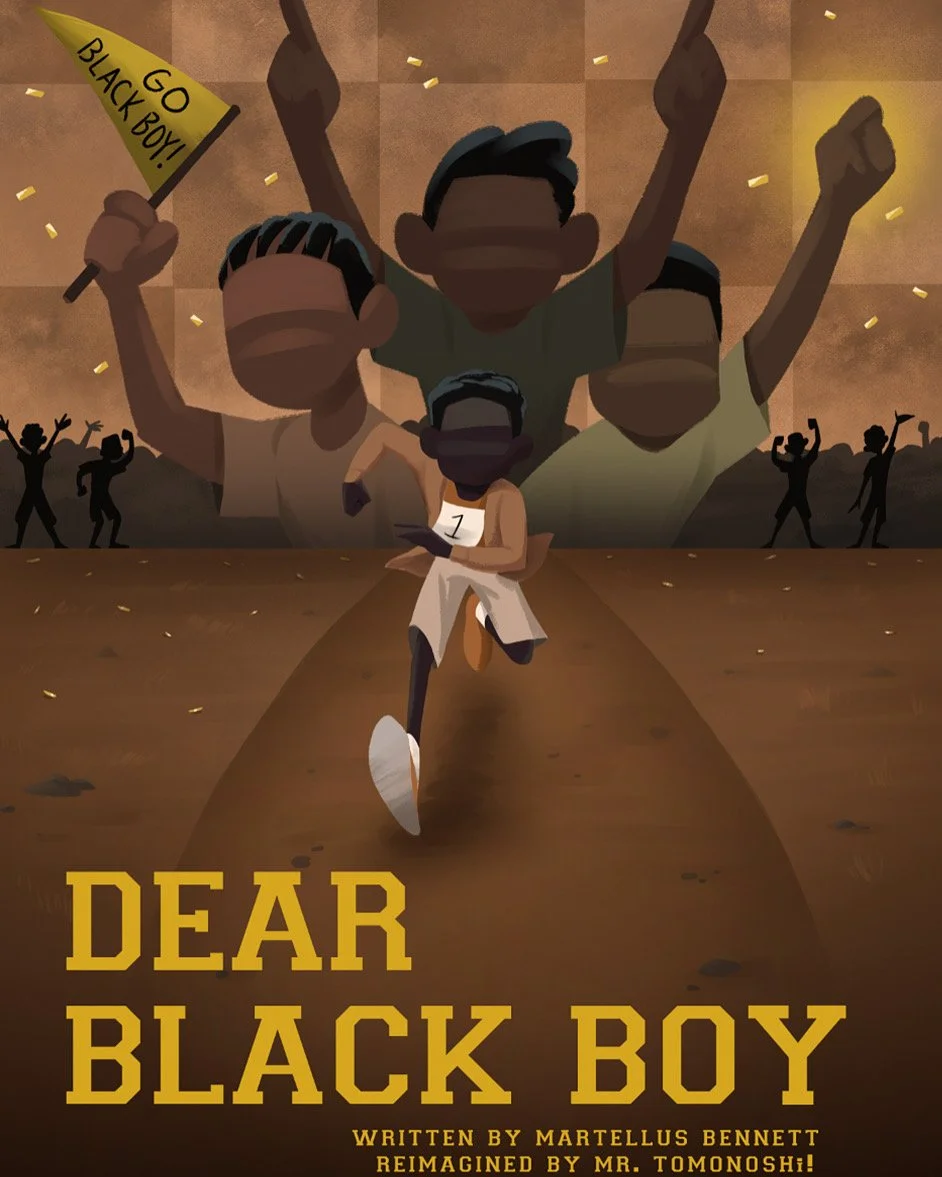
DEAR
BLACK BOY
GRADE LEVELS: 4–8
SUBJECT AREAS: Social‑Emotional Learning, Identity Development, Writing, Goal Setting
CORE TEXT: Dear Black Boy (text not required to use lessons)
OVERVIEW: The Dear Black Boy curriculum is a three‑lesson sequence designed to help students explore identity, purpose, resilience, and community connection. Through reading, reflection, structured goal setting, and letter writing, students learn to articulate their dreams, build actionable plans, and communicate encouragement to others. The sequence culminates in a challenge‑level Pen Pal Exchange that transforms personal reflection into shared support and collective empowerment.
LESSON PLANS
-
Students will:
Explore themes of identity, affirmation, resilience, and possibility.
Articulate personal dreams with clarity and emotional honesty.
Develop short‑term and long‑term goals using structured frameworks.
Apply SMART criteria to refine goals and create actionable plans.
Identify obstacles and build resilience strategies.
Track progress and reflect on growth over time.
Write powerful letters that offer guidance, encouragement, and connection.
Participate in a Pen Pal Exchange that builds community and shared purpose.
-
Grade Level: Grades 4–8
Subject Area: Social‑Emotional Learning, Literacy, Identity Development
Duration: 90 minutesLearning Objective
Students will explore the themes of dreaming, purpose, and self‑determination in Dear Black Boy. They will identify personal dreams, distinguish between short‑term and long‑term goals, and use the SMART framework to create actionable plans. Students will also learn resilience strategies to overcome obstacles and maintain motivation.
Materials
Dear Black Boy (excerpt or full text)
Whiteboard and markers
Dream Journals (notebooks)
Goal‑setting worksheets
Resilience‑building worksheets
Inspirational quotes or posters
Certificates of Achievement
Lesson Outline
Introduction: Dream Out Loud (10 minutes)
Read an excerpt from Dear Black Boy that emphasizes imagination, possibility, and self‑belief. Discuss the idea of “Dream Out Loud” and why naming dreams matters, especially for Black boys and Black children navigating the world. Invite students to share early thoughts about their own dreams.
Class Discussion: Naming Our Dreams (10 minutes)
Students share dreams and aspirations. Capture ideas on the whiteboard to create a collective “Dream Wall.”
Prompts include:What is one dream you hold for your future?
If you could achieve anything, what would it be and why?
Who inspires you to dream boldly?
Goal‑Setting Basics (10 minutes)
Introduce the difference between short‑term and long‑term goals. Provide examples and ask students to identify one of each.
Prompts include:What makes a goal short‑term?
What makes a goal long‑term?
What is one short‑term goal you can begin this week?
Dream Journals (10 minutes)
Students receive Dream Journals and write one short‑term and one long‑term goal. Emphasize specificity and honesty. Journals become a private space for reflection, planning, and self‑expression.
SMART Goals Workshop (15 minutes)
Introduce the SMART framework: Specific, Measurable, Achievable, Relevant, Time‑bound.
Break down each component with examples and short writing activities:Specific — What exactly do you want to achieve?
Measurable — How will you track progress?
Achievable — What steps make this realistic?
Relevant — Why does this matter to you?
Time‑bound — When will you complete it?
Students revise one of their goals into a full SMART goal and record it in their Dream Journal.
Goal‑Setting Worksheet (15 minutes)
Students complete a structured worksheet that turns their SMART goal into a step‑by‑step plan. They identify resources, milestones, and potential challenges.
Resilience‑Building Strategies (10 minutes)
Discuss resilience as the ability to keep going when obstacles appear.
Prompts include:What challenges might you face while working toward your goal?
How can you stay motivated when things get difficult?
Who can support you when you need help?
Introduce strategies such as positive self‑talk, seeking support, problem‑solving, and reframing setbacks.
Resilience Worksheet (10 minutes)
Students identify potential obstacles to their SMART goal and write strategies for overcoming them. This becomes part of their long‑term planning.
Sharing and Encouragement (5 minutes)
Students share their SMART goals and resilience strategies with a partner or small group. Emphasize community, encouragement, and accountability.
Celebrating Achievements (5 minutes)
Students reflect on what they learned about dreaming, planning, and perseverance. Distribute Certificates of Achievement to honor their work and commitment. Display inspirational quotes to reinforce the message of possibility.
Assessment
Participation and engagement
Clarity and specificity of SMART goals
Quality of goal‑setting and resilience worksheets
Depth of reflection in Dream Journals
Contribution to class discussions and peer support
Extension Activities
Monthly Check‑Ins: Students revisit goals, track progress, and revise plans.
Guest Speakers: Invite community members to share stories of resilience and achievement.
Dream Out Loud Wall: A classroom display where students post goals, milestones, and inspirational quotes.
-
Grade Level: Grades 4–8
Subject Area: Social‑Emotional Learning, Identity Development, Writing
Duration: 90 minutesLearning Objective
Students will deepen their understanding of dreaming, planning, and self‑determination by completing a structured series of worksheets that guide them from vision to action. They will articulate their dreams, set SMART goals, identify obstacles, develop resilience strategies, track progress, and celebrate achievements. This lesson strengthens self‑awareness, agency, and long‑term planning skills.
Materials
Dear Black Boy (excerpt or full text)
Dream Journal Worksheet
Goal‑Setting Worksheet
SMART Goals Worksheet
Resilience Worksheet
Progress Tracker Worksheet
Celebration Worksheet
Writing tools and coloring materials
Lesson Outline
Introduction: Building a Dream Blueprint (10 minutes)
Revisit the “Dream Out Loud” message from Dear Black Boy. Explain that today students will build a Dream Blueprint—a structured plan that turns imagination into action. Emphasize that dreaming is the beginning, but planning is the bridge.
Dream Journal Worksheet (15 minutes)
Students complete the Dream Journal Worksheet to articulate the foundation of their blueprint.
Sections:
My Dream — Students describe their biggest dream or aspiration.
Why This Dream Matters — Students explain the personal meaning behind their dream.
Visualize Your Dream — Students draw or collage an image that represents their dream.
This step centers identity, imagination, and emotional clarity.
Goal‑Setting Worksheet (15 minutes)
Students shift from dreaming to defining.
Sections:
Specific Goal — What exactly they want to achieve.
Measurable — How they will know they’ve succeeded.
Achievable — Steps required to make the goal realistic.
Relevant — Why the goal matters.
Time‑bound — When they plan to achieve it.
This worksheet introduces structure and prepares them for SMART refinement.
SMART Goals Worksheet (15 minutes)
Students refine their goal using the SMART framework.
Sections:
Specific — Clear, detailed goal statement.
Measurable — Indicators of progress.
Achievable — Resources, support, and steps.
Relevant — Connection to their dream and values.
Time‑bound — A concrete deadline.
Students write their final SMART goal at the bottom of the worksheet.
Resilience Worksheet (15 minutes)
Students identify obstacles and build strategies to stay committed.
Sections:
Potential Obstacles — Challenges they may face.
Resilience Strategies — Positive thinking, problem‑solving, seeking support.
Support System — People who can help them stay on track.
This step teaches perseverance and emotional regulation.
Progress Tracker Worksheet (10 minutes)
Students learn how to monitor their growth over time.
Sections:
Goal — Restate their SMART goal.
Steps Taken — Actions completed so far.
Progress Made — What has changed or improved.
Next Steps — What they will do next.
Reflection — What they’ve learned and what they may adjust.
This worksheet can be revisited weekly or monthly.
Celebration Worksheet (10 minutes)
Students practice acknowledging their achievements and setting new goals.
Sections:
Achievement — What they accomplished.
How I Did It — Strategies and effort that led to success.
New Goal — A new short‑term or long‑term goal.
Plan for New Goal — SMART‑aligned plan for the next step.
This reinforces confidence, growth mindset, and continuity.
Assessment
Completion and clarity of all worksheets
Depth of reflection and personal insight
Ability to articulate goals and strategies
Engagement during discussions and activities
Evidence of resilience and problem‑solving
Extension Pathways
Monthly Dream Blueprint check‑ins
Student‑led accountability partners
“Dream Out Loud” classroom wall
Family goal‑setting night
Guest speakers who model resilience and achievement
-
Grade Level: Grades 4–8
Subject Area: Writing, Identity Development, Social‑Emotional Learning
Duration: 90 minutesLearning Objective
Students will write a powerful, intentional letter inspired by Dear Black Boy. They will explore identity, affirmation, resilience, and future‑focused vision. Students will learn how letters can function as legacy documents, emotional anchors, and declarations of purpose. They will draft, revise, and finalize a letter addressed to their future self, a younger peer, their community, or someone who needs encouragement.
Materials
Dear Black Boy (excerpt or full text)
Writing notebooks or lined paper
Letter‑writing templates
Envelopes
Pens and pencils
Optional: decorative materials for sealing or personalizing letters
Lesson Outline
Opening: The Power of a Letter (10 minutes)
Read a selected passage from Dear Black Boy that models direct address, affirmation, and emotional clarity. Discuss how letters can:
Speak truth
Offer guidance
Preserve memory
Build courage
Pass wisdom forward
Students identify what makes the voice in Dear Black Boy powerful.
Choosing the Letter’s Recipient (10 minutes)
Students choose who their letter will be written to. Options include:
Their future self
A younger Black boy or younger version of themselves
A sibling, cousin, or friend
Their community
Someone who needs encouragement
A future generation
Students write the recipient at the top of their page and briefly note why they chose them.
Planning the Letter (15 minutes)
Students complete a short planning sheet that includes:
Purpose of the letter
Message they want to deliver
Feelings they want the reader to experience
One story or memory they want to include
One piece of advice or affirmation
One dream or hope they want to share
This becomes the blueprint for the letter.
Writing the First Draft (25 minutes)
Students write their full letter using the planning sheet as a guide. Encourage:
Honest voice
Emotional clarity
Specific details
Encouragement and affirmation
A clear closing message
Students write uninterrupted for 20–25 minutes.
Peer Review and Revision (15 minutes)
Students exchange letters with a partner for supportive feedback. Prompts include:
What part of the letter felt strongest?
What part could be clearer or more specific?
What line or idea should the writer expand?
Students revise their letters based on feedback.
Final Letter and Sealing (10 minutes)
Students write a clean final draft and place it in an envelope. They may decorate or seal the envelope. Teachers may choose one of two options:
Letters are kept by the teacher and returned at the end of the year.
Letters are taken home as personal artifacts.
Assessment
Depth and clarity of message
Emotional honesty and voice
Use of specific details and examples
Quality of revision
Completion of final letter
Extension Pathways
Students write a second letter addressed to someone in their community.
Students create a class anthology titled Letters to the Future.
Students record audio versions of their letters.
Students revisit their letters during the Dream Blueprint check‑ins.
-
Grade Level: Grades 4–8
Subject Area: Writing, Identity Development, Social‑Emotional Learning
Duration: 90 minutesLearning Objective
Students will write a powerful, intentional letter inspired by Dear Black Boy and participate in a structured Pen Pal Exchange. They will explore identity, resilience, and future‑focused vision while learning how written communication can build community, offer encouragement, and create intergenerational or peer‑to‑peer connection.
Materials
Dear Black Boy (excerpt or full text)
Letter‑writing templates
Writing notebooks or lined paper
Envelopes
Pens and pencils
Optional: decorative materials for personalizing letters
Optional: partner classroom, youth program, or internal class‑to‑class exchange
Lesson Outline
Opening: Letters as Bridges (10 minutes)
Read a selected passage from Dear Black Boy that models direct address, affirmation, and emotional clarity. Discuss how letters can:
Build connection
Offer guidance
Carry encouragement
Preserve identity
Travel across time and space
Students identify what makes the voice in Dear Black Boy powerful and personal.
Choosing the Pen Pal Recipient (10 minutes)
Students choose who their letter will be written to within the Pen Pal Program. Options include:
A student in another grade
A student in another classroom
A partner school or youth program
A younger peer who may need encouragement
A same‑age peer who shares similar dreams
Students write the recipient’s name (or placeholder) at the top of their planning sheet and note why they chose them.
Planning the Letter (15 minutes)
Students complete a planning sheet that includes:
What message they want to send
What encouragement they want to offer
A story or memory that shaped them
A challenge they’ve overcome
A dream they want to share
A question they want to ask their pen pal
This becomes the blueprint for the letter.
Writing the First Draft (25 minutes)
Students write their full letter using the planning sheet as a guide. Encourage:
Honest voice
Emotional clarity
Specific details
Encouragement and affirmation
A clear closing message
Students write uninterrupted for 20–25 minutes.
Peer Review and Revision (15 minutes)
Students exchange letters with a partner for supportive feedback. Prompts include:
What part of the letter felt strongest?
What part could be clearer or more specific?
What line or idea should the writer expand?
Students revise their letters based on feedback.
Final Letter and Pen Pal Exchange (15 minutes)
Students write a clean final draft and place it in an envelope. They may decorate or seal the envelope.
Exchange Options:
Letters are delivered to a partner classroom.
Letters are exchanged with a younger grade.
Letters are mailed to a partner school or youth program.
Letters are exchanged within the same class in a structured rotation.
The teacher explains that sending the letter symbolizes:
Sharing wisdom
Offering support
Building community
Becoming part of someone else’s story
Assessment
Depth and clarity of the letter
Emotional honesty and voice
Use of specific details and personal reflection
Quality of revision
Participation in the exchange
Extension Pathways
Students write a second letter responding to the pen pal’s reply.
Students create a class anthology titled Letters Across Time.
Students record audio versions of their letters.
Students reflect on how it felt to write and receive a letter.
A year‑long Pen Pal Program where letters are exchanged monthly.
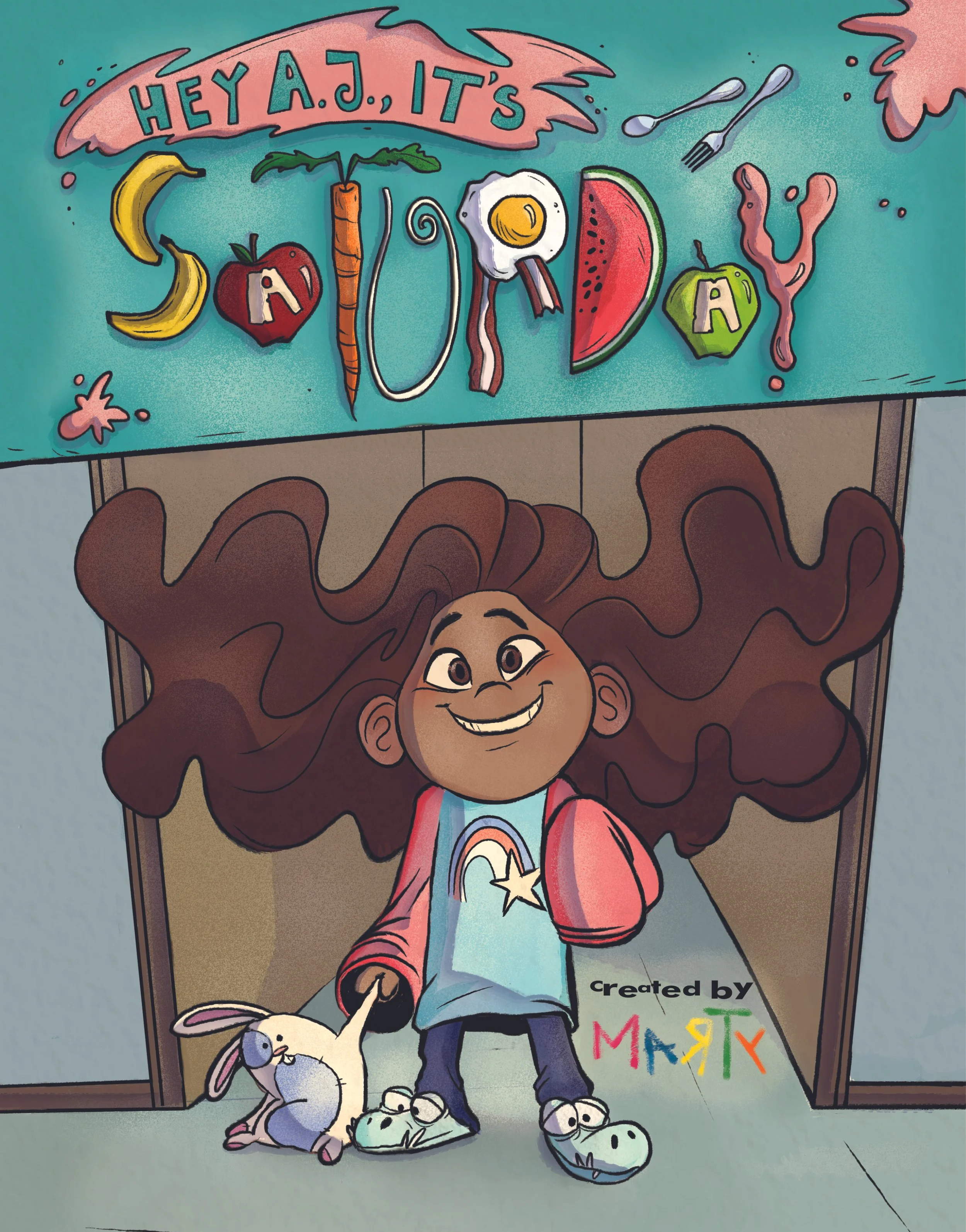
HEY A.J.!
SERIES
GRADE LEVELS: 2–5
SUBJECT AREAS: Writing, Literacy, Creative Development, Character Design
CORE TEXT: Hey A.J., It’s Saturday! and Hey A.J., It’s Bedtime! (texts not required to use lessons)
OVERVIEW: The Hey A.J. curriculum invites students into a world of imagination, creativity, and expressive storytelling. Through character creation, back‑story development, and original narrative writing, students learn how stories are built from the inside out. The lessons emphasize voice, descriptive detail, emotional expression, and the joyful chaos of imagination that defines the Hey A.J. universe. All lessons stand independently of the books and can be taught in classrooms, after‑school programs, or home learning environments.
LESSON PLANS
-
Students will:
Understand how characters shape stories and drive narrative action.
Create original characters with depth, personality, and motivation.
Write detailed back stories that explain a character’s history and identity.
Develop original stories inspired by the themes and tone of the Hey A.J. series.
Strengthen descriptive writing, sequencing, and narrative structure.
Practice peer feedback, revision, and presentation skills.
Integrate writing with illustration and visual storytelling.
-
Grade Level: Grades 2–5
Subject Area: Writing, Literacy, Creative Development
Duration: 2–3 class periods (45–60 minutes each)Learning Objective
Students will write original stories inspired by the themes, characters, and imaginative spirit of Hey A.J., It’s Saturday! and Hey A.J., It’s Bedtime!. They will strengthen narrative structure, descriptive writing, character development, and creative problem‑solving.
Materials
Copies of Hey A.J., It’s Saturday! and Hey A.J., It’s Bedtime!
Writing paper or notebooks
Pencils, pens, and coloring materials
Chart paper and markers
Optional: digital devices for typing stories
Lesson Outline
Day 1: Introduction and Inspiration
Introduction (10 minutes)
Read aloud selections from Hey A.J., It’s Saturday! and Hey A.J., It’s Bedtime! to establish tone and themes. Discuss A.J.’s imaginative adventures and highlight themes such as creativity, independence, and problem‑solving.Character Selection (15 minutes)
Introduce the idea of writing a story centered on a character from the Hey A.J. universe. Students may choose:A.J.
A toy or stuffed animal
A parent or family member
A new character who enters A.J.’s world
Record character choices and early ideas on chart paper.
Brainstorming Session (15 minutes)
Students brainstorm possible adventures, challenges, or scenarios for their chosen character. Discuss settings, conflicts, and imaginative elements. Capture keywords and ideas on chart paper.Planning Their Stories (20 minutes)
Students complete a story planning template including:Story title
Main character(s)
Setting
Beginning, middle, and end
Problem and solution
Day 2: Writing and Illustrating
Writing the First Draft (30 minutes)
Students write the first draft of their stories, using their planning templates as guides. Encourage descriptive detail, imaginative scenarios, and clear problem‑solving moments.Peer Review and Feedback (15 minutes)
Students exchange drafts with a partner and provide constructive feedback. Encourage questions that deepen character motivation, clarity, and creativity.Revising and Editing (15 minutes)
Students revise their drafts based on peer feedback. Emphasize clarity, grammar, spelling, and narrative flow.Day 3: Finalizing and Sharing
Illustrating Their Stories (20 minutes)
Students create illustrations to accompany their stories. They may draw characters, settings, or key scenes.Final Draft (20 minutes)
Students write or type the final draft of their stories and integrate their illustrations.Story Sharing Session (20 minutes)
Students share their completed stories in a story circle. Consider displaying stories and illustrations or compiling them into a class book.Assessment
Participation and engagement
Creativity and originality
Narrative structure and descriptive detail
Quality of revisions and final draft
Contribution to peer feedback
Clarity and confidence during story sharing
Extension Activities
Creative writing journals for ongoing story development
Comic strips or graphic novel adaptations of student stories
Family “story night” where students read their work aloud
-
Grade Level: Grades 3–5
Subject Area: Writing, Literacy, Creative Development
Duration: 3–4 class periods (45–60 minutes each)Learning Objective
Students will design and write a multi‑scene adventure story inspired by the Hey A.J. series. They will plan narrative structure, develop character arcs, build escalating challenges, and integrate illustration or visual sequencing. Students will strengthen advanced storytelling skills including pacing, transitions, conflict design, and thematic cohesion.
Materials
Copies of Hey A.J., It’s Saturday! and Hey A.J., It’s Bedtime!
Writing notebooks or story planners
Pencils, pens, coloring materials
Chart paper and markers
Optional: digital devices for typing or digital illustration
Lesson Outline
Day 1: Understanding Story Architecture
Introduction to Multi‑Scene Stories (15 minutes)
Discuss how Hey A.J. stories unfold in scenes — each with a setting, a challenge, and a shift in the character’s journey. Introduce the idea of “story architecture”: beginning, rising action, climax, resolution.Scene Mapping (20 minutes)
Read a short section from a Hey A.J. book and map its scenes on chart paper. Identify:What changes from scene to scene
How the challenge escalates
How A.J. responds and grows
Planning the Adventure (25 minutes)
Students choose a character (A.J., a toy, a parent, or a new character).
They complete a planning template including:Story premise
Theme or message
Scene‑by‑scene outline (minimum of four scenes)
Main conflict and resolution
Day 2: Writing and Building the Story
Drafting Scene One (20 minutes)
Students write the opening scene, focusing on setting, character introduction, and the first hint of conflict.Drafting Scenes Two and Three (30 minutes)
Students write the middle scenes, ensuring the challenge escalates and the character responds in meaningful ways. Emphasize pacing, transitions, and descriptive detail.Peer Review (10 minutes)
Students exchange drafts and give feedback on clarity, pacing, and character development.Day 3: Climax, Resolution, and Illustration
Writing the Climax and Resolution (30 minutes)
Students write the final scenes, resolving the conflict and showing how the character has changed or learned something.Visual Sequencing (20 minutes)
Students create illustrations or a visual storyboard for each scene.
Focus on:Key moments
Emotional beats
Setting changes
Revision Time (10 minutes)
Students revise their writing based on their visual sequencing and peer feedback.Day 4: Final Draft and Presentation
Final Draft (25 minutes)
Students write or type a polished version of their multi‑scene story, integrating illustrations.Story Showcase (20 minutes)
Students present their stories in sequence, explaining:Their character’s journey
How the conflict escalated
What their character learned
Assessment
Quality and clarity of scene‑by‑scene structure
Creativity and originality
Character development and emotional arc
Descriptive detail and pacing
Quality of revisions
Integration of illustrations
Presentation clarity
Extension Activities
Students turn their story into a short comic or graphic narrative.
Students create a digital slideshow or animated storyboard.
Students write a sequel or alternate ending.
Students collaborate to create a class anthology of multi‑scene adventures.
-
Grade Level: Grades 2–5
Subject Area: Writing, Literacy, Creative Development
Duration: 2–3 class periods (45–60 minutes each)Learning Objective
Students will create original characters and write detailed back stories that explain their characters’ personalities, motivations, and experiences. Through this process, students will strengthen imagination, descriptive writing, narrative structure, and character development skills.
Materials
Writing paper or notebooks
Pencils, pens, and coloring materials
Chart paper and markers
Character creation templates
Optional: digital devices for typing stories
Lesson Outline
Day 1: Introduction and Character Creation
Introduction (10 minutes)
Discuss the importance of characters in storytelling and how characters drive plot and emotion. Share examples of memorable characters from books, movies, or television, including A.J. from the Hey A.J. series.Brainstorming Session (15 minutes)
Students brainstorm the type of character they want to create. Record ideas on chart paper, highlighting traits, interests, quirks, and challenges. Discuss what makes a character interesting and relatable.Character Creation (20 minutes)
Students complete character creation templates, including:Name
Age
Physical appearance
Personality traits
Interests and hobbies
Quirks and challenges
Relationships (family, friends, pets)
Sharing Characters (10 minutes)
Students share their character concepts with the class, explaining their choices and early ideas for stories.Day 2: Writing Back Stories
Introduction to Back Stories (10 minutes)
Explain what a back story is and how a character’s past shapes their actions, emotions, and decisions. Share examples from familiar characters.Planning Back Stories (15 minutes)
Students complete a back story planning template, including:Early life and family background
Significant events or experiences
Challenges and how they were overcome
Current goals and dreams
Writing the First Draft (20 minutes)
Students begin writing the first draft of their character’s back story. Encourage descriptive detail and clear connections between past experiences and present personality.Peer Review and Feedback (15 minutes)
Students exchange drafts with a partner and provide constructive feedback. Encourage questions, suggestions, and clarity-focused comments.Day 3: Finalizing and Sharing
Revising and Editing (20 minutes)
Students revise their back stories based on peer feedback. Emphasize clarity, detail, grammar, and narrative flow.Illustrating Characters (20 minutes)
Students create illustrations of their characters or scenes from their back stories. Encourage detail and visual storytelling.Final Draft (10 minutes)
Students write or type the final draft of their back story and pair it with their illustration.Story Sharing Session (10 minutes)
Students share their completed back stories in a story circle. Consider displaying stories and illustrations or compiling them into a class book.Assessment
Participation and engagement
Creativity and originality
Detail and clarity in character creation
Narrative structure and descriptive writing
Quality of revisions and final draft
Contribution to peer feedback
Extension Activities
Character journals for ongoing story development
Comic strips or graphic novel pages based on the character’s back story
Family event where students present their characters and stories
All lesson plans are free to use, adapt, and integrate into existing instructional frameworks. Parents and educators are invited to download, adapt, and teach these lessons as needed. For additional resources, updates, collaboration opportunities, or educator support, please contact the TOMONOSHi! Publishing Education Department.
goodday@tomonoshipublishing.com